 By Admin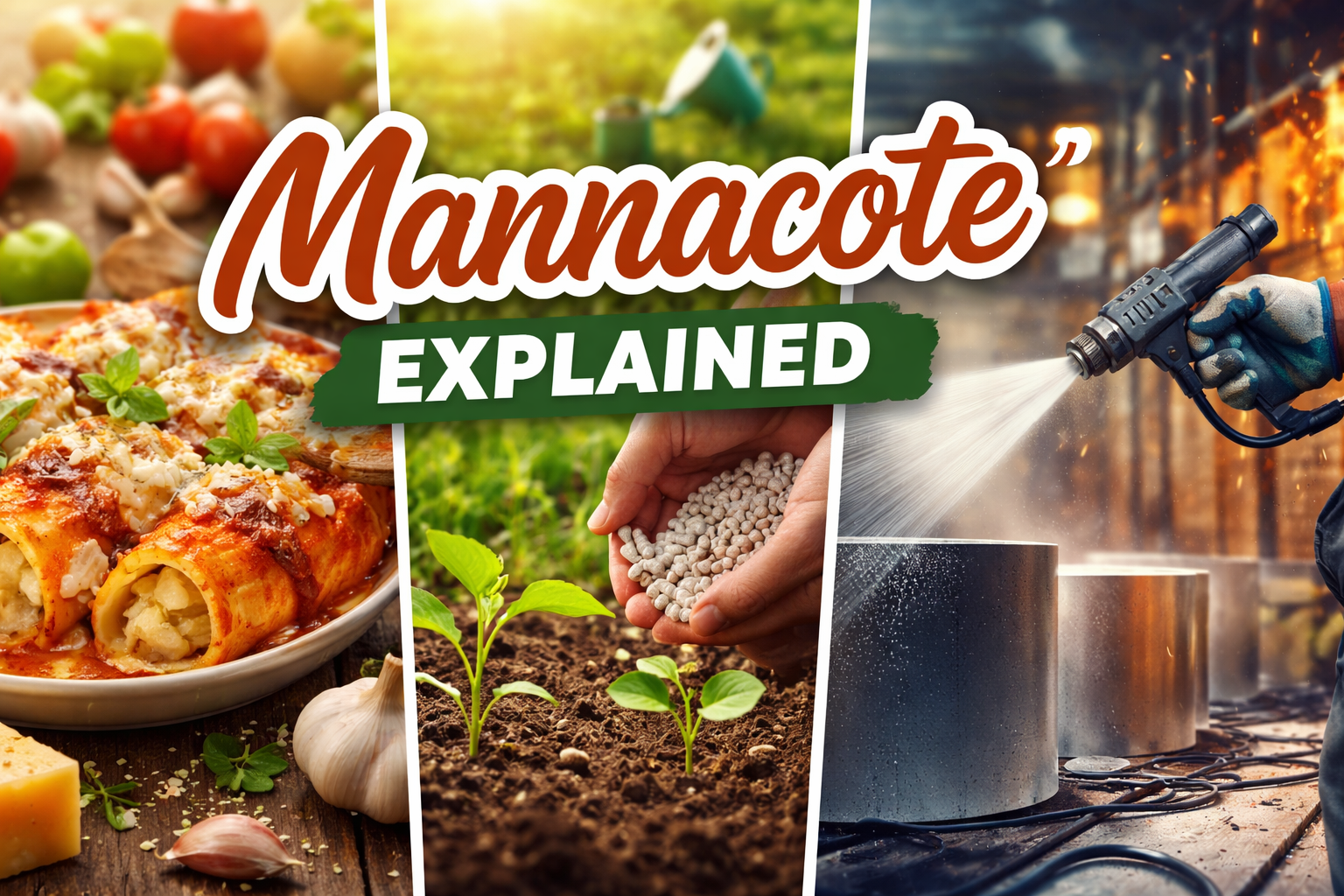
Have you ever stumbled across the word Mannacote and thought… wait, what exactly is that? I get it — it’s confusing at first. And honestly, it’s one of those words that has multiple lives.
It pops up in cooking, gardening, and even in industrial tech. Yep, same spelling… totally different things. Let’s unpack it.
Mannacote in the Kitchen
Most people know Mannacote as a stuffed pasta dish. Think of it as a cousin of manicotti. Big pasta tubes, usually filled with cheese, baked in sauce… and basically, comfort on a plate.
Ingredients You’ll Often See
- Large pasta tubes or homemade crepes
- Ricotta cheese (soft, creamy, dreamy)
- Mozzarella and parmesan
- Tomato sauce
- Optional extras: spinach, ground meat, or even roasted veggies
You fill the tubes, cover them in sauce, bake until bubbly and golden… and wow. That smell alone makes you want to call everyone over for dinner.
And here’s a tip: some families even roll their own pasta sheets instead of using store-bought tubes. Makes it a bit fancier, but hey… it’s worth it.
Mannacote in Gardening
Now, flip the context. You’re reading a gardening guide. Mannacote here is a slow-release fertilizer. Not pasta. Not edible. Totally different vibe.
It’s designed to feed plants over time — not all at once. Perfect if you want healthy roots and steady growth.
Why It Works
- Coated granules control nutrient release
- Releases nutrients based on temperature, not rain
- Lasts months instead of weeks
- Eco-friendly, less waste, safer for soil
Quick note: it’s a gardener’s dream. Less guessing, fewer mistakes, better plants.
Quick Comparison: Mannacote vs Regular Fertilizers
| Feature | Mannacote | Traditional Fertilizer |
|---|---|---|
| Nutrient release | Slow & controlled | Fast, immediate |
| Duration | 3–12 months | 2–4 weeks |
| Application | Once per season | Multiple times |
| Risk of overfeeding | Very low | High |
| Environmental impact | Low | High runoff risk |
See? It’s like a smart version of fertilizer. You don’t have to babysit your garden.
Mannacote in Industry
And now… hold on. Industrial Mannacote exists too. Here it’s a protective coating. Not food. Not fertilizer. Think of it as a shield for surfaces.
Where It’s Used
- Metal surfaces (prevents rust)
- Construction materials
- Marine and automotive equipment
- Industrial machinery
What It Does
- Resists corrosion, chemicals, and heat
- Reduces wear and tear
- Extends lifespan of surfaces
Basically, it’s like giving your metal a super suit.
Why Mannacote Matters
Even though it sounds random, Mannacote is all about efficiency and protection, no matter the field.
- Food: Comfort and tradition
- Farming: Smart nutrition
- Industry: Durability and protection
Different uses, similar goal — make things better, last longer, and reduce waste.
Real-Life Examples
- Mom says: “We’re having Mannacote tonight!” → Pasta dinner
- Farmer says: “Apply Mannacote this season.” → Fertilizer
- Engineer says: “Use Mannacote coating.” → Protective layer
Context is everything. Without it, you’d be scratching your head.
Benefits at a Glance
Pasta Version
- Creamy, cheesy, satisfying
- Great for family meals
- Easy to customize
Fertilizer Version
- Fewer applications
- Steady plant growth
- Eco-friendly
Industrial Version
- Protects surfaces
- Reduces maintenance
- Saves money long-term
Common Confusions
Here’s the big mistake: people assume Mannacote is just one thing.
- Not just pasta
- Not just fertilizer
- Not just coating
It’s all three. Only context tells you which one.
Wrapping It Up
Mannacote is one of those rare words that lives in three worlds.
Food. Farming. Industry.
And each one is meaningful. Once you know the context, it’s easy to follow.
So next time someone says “Mannacote,” just pause. Ask: Which world are we talking about? Then enjoy — whether it’s dinner, a garden, or a piece of equipment.