 By Admin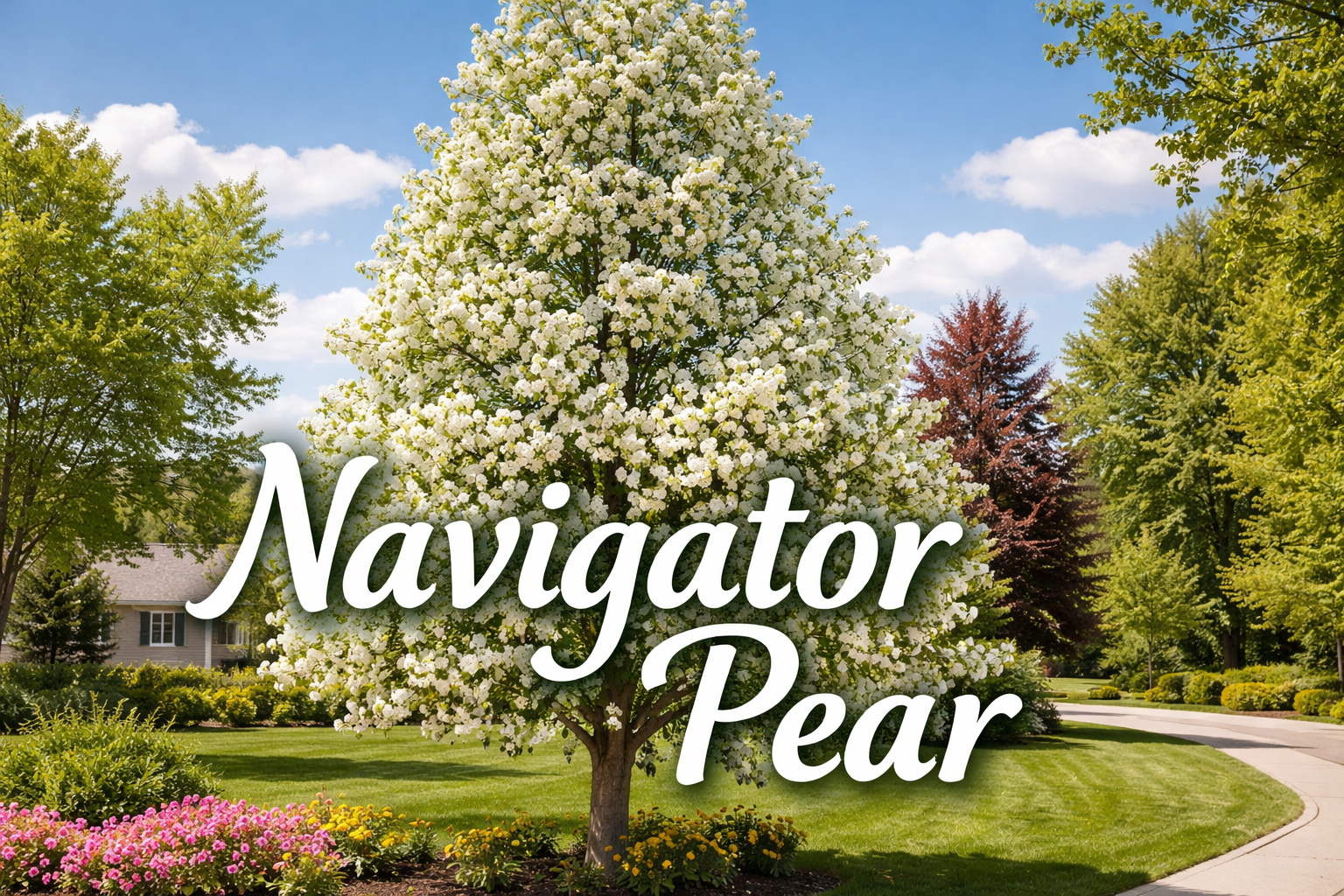
If you searched for “Navigator Pear,” you probably noticed something a little odd… most reliable results point to a landscape tree, not a supermarket fruit. And that matters. The Navigator Pear is generally listed as an ornamental pear cultivar, usually identified as Pyrus x ‘DurPSN303’, known for its upright shape, white spring flowers, glossy leaves, and strong fall color. It’s commonly described by nurseries as a hardy choice for colder regions and smaller landscape spaces.
So, no, this isn’t the kind of pear people usually grow for bowls of sweet fruit on the kitchen counter. It’s more of a “looks amazing in the yard” tree. And honestly… that’s why people like it.
What Is a Navigator Pear?
The Navigator Pear is an ornamental pear tree bred for visual appeal and structure. Nursery listings describe it as dense, upright, and pyramidal to oval in shape, with white blooms in spring and yellow-orange to red-toned fall foliage later in the season. Several sources also note that it produces little fruit, or only small fruit, which makes it less messy than fruit-heavy pear types.
That clean look is a big part of its appeal.
People usually plant it for things like:
- front-yard curb appeal
- narrow landscape spaces
- boulevard or street-side planting
- a formal accent tree
- spring flowers without a lot of fruit drop
And that’s kind of the sweet spot here. Pretty, tidy, upright.
Quick Look at Navigator Pear
Here’s a simple breakdown based on nursery and horticulture listings:
| Feature | Navigator Pear |
|---|---|
| Botanical name | Pyrus x ‘DurPSN303’ |
| Main use | Ornamental landscape tree |
| Spring display | White flowers |
| Leaf color | Glossy green |
| Fall color | Yellow-orange, sometimes red tones |
| Mature size | Roughly 25–35 ft tall, 12–18 ft wide |
| Sun needs | Full sun |
| Soil needs | Moist, well-drained soil |
| Fruit | Minimal or small fruit |
Size and spread vary a bit by source, which is normal in plant listings because climate, nursery stock, and growing conditions can change mature performance. Still, the overall picture stays consistent: upright, hardy, and ornamental.
Why Homeowners Notice This Tree
Some trees are nice for one season and then… kind of disappear. Navigator Pear doesn’t really do that. In spring, it brings clusters of white blooms. In summer, the foliage stays dark green and glossy. Then fall shows up and the leaves shift into warm color, usually yellow-orange and sometimes deeper shades depending on conditions.
That year-round rhythm makes it useful in modern landscaping.
A few reasons people choose it:
- strong upright form for smaller yards
- ornamental value in multiple seasons
- less messy than heavy-fruiting pear trees
- cold hardiness noted by prairie and Canadian growers
- works well as an accent or structured street tree
It’s not flashy in a wild way. It’s more refined. Balanced. Neat.
Growing Conditions That Suit Navigator Pear
From the sources available, full sun is the big one. Well-drained soil matters too. Multiple listings for Navigator Pear mention well-drained or moist, well-drained soil, and general pear-growing guidance from university extension sources also recommends full sun and soil that drains well.
Here’s the practical version:
- plant it where it gets plenty of direct light
- avoid soggy ground
- leave enough room for the mature spread
- prune in the dormant season to maintain shape
- don’t crowd it too tightly against structures or wires
And yes, spacing matters more than people think. A young tree looks small. Five years later… not so small.
A Note About Problems
No ornamental tree is completely carefree. Pears, including ornamental pears, can be affected by fire blight, a bacterial disease that damages blossoms, shoots, and branches. University extension and plant health sources consistently warn that ornamental pears can face this issue, especially in favorable warm, humid conditions.
That doesn’t mean Navigator Pear is a bad choice. It just means smart care helps.
Watch for:
- blackened or wilted new growth
- scorched-looking blossoms or twigs
- overcrowded branching
- poor airflow around the tree
- overfertilizing, which can push weak tender growth
A little observation goes a long way here.
Is Navigator Pear a Good Choice?
For a lot of homeowners, yes. Especially if the goal is a clean-looking ornamental tree with spring flowers and reliable shape. It has been described by prairie growers as a hardy introduction, and listings connected to Prairie Shade Nursery and breeder Rick Durand place it among cold-hardy ornamental trees for urban and residential use.
It may be a good fit if you want:
- ornamental beauty over edible harvest
- a tree with a vertical or upright habit
- something suitable for colder climates
- a front-yard focal point
- less fruit mess than standard pear trees
But if your goal is juicy pears for eating, this probably isn’t the tree you’re after. That’s the honest answer.
Final Thoughts
Navigator Pear stands out because it gives that polished landscape look without feeling too fussy. White blooms in spring. Glossy leaves through summer. warm fall color. A tidy shape that works in modern yards. It’s an ornamental tree first, and the research around this keyword points there very clearly.