 By Admin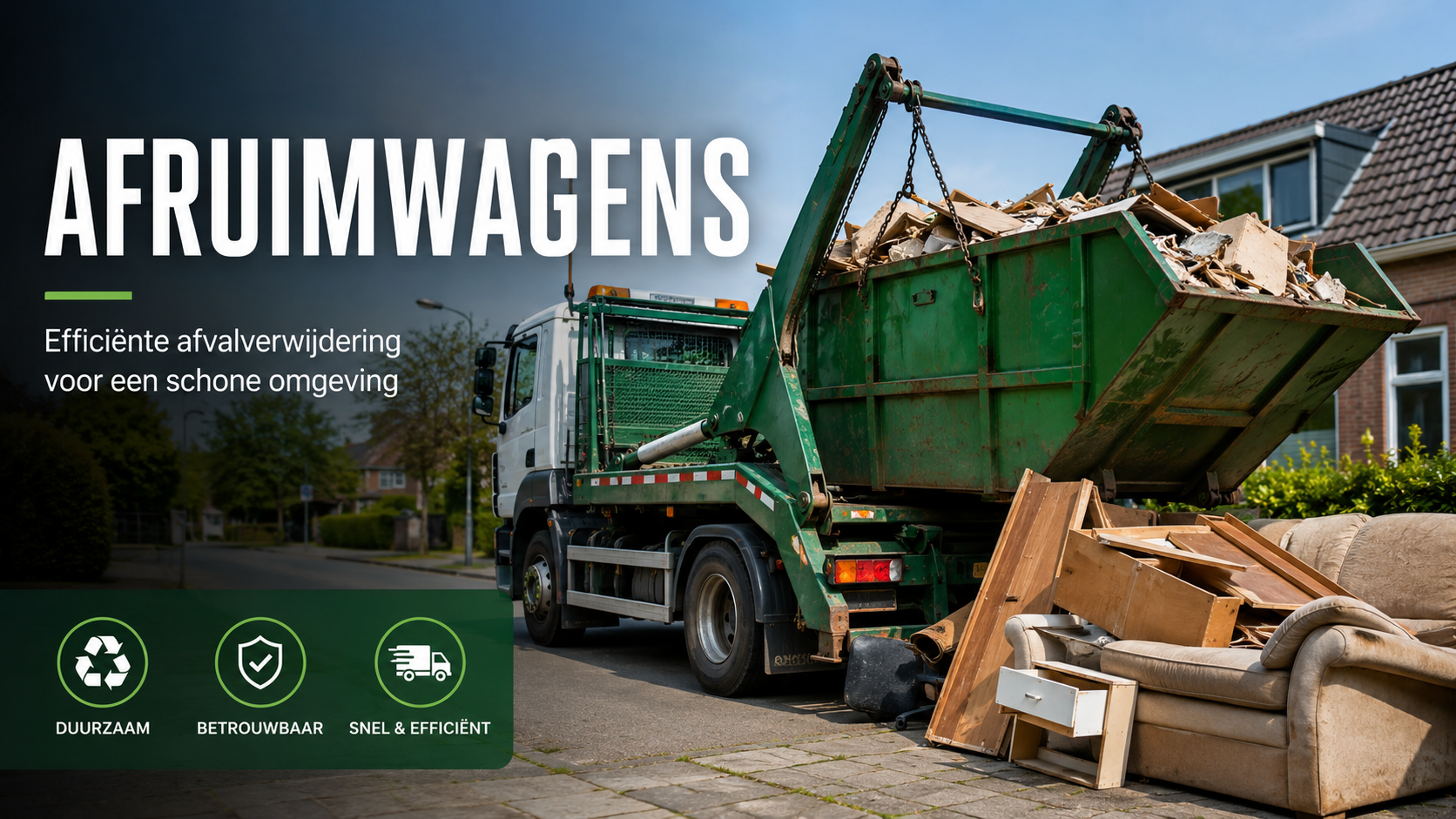
If you’ve ever seen a large vehicle clearing away bulky waste, construction debris, old furniture, or household junk, chances are you’ve come across an afruimwagen. The term “afruimwagens” is commonly used in Dutch-speaking regions to describe vehicles designed for removing, transporting, and disposing of waste materials efficiently.
They’re not the most glamorous vehicles on the road. Yet without them, cities, neighborhoods, construction sites, and even private homes would quickly become cluttered with unwanted waste.
And honestly… most people don’t think about afruimwagens until they actually need one.
Whether you’re planning a renovation, cleaning out a property, managing a construction project, or simply curious about waste management logistics, understanding how afruimwagens work can be surprisingly useful.
What Are Afruimwagens?
An afruimwagen is a specialized vehicle used to collect, transport, and remove various types of waste. Depending on its design, it may handle household rubbish, construction materials, garden waste, bulky furniture, recyclable materials, or commercial waste.
Modern waste collection systems in the Netherlands and other European countries rely heavily on these vehicles to maintain clean urban environments and support recycling initiatives. Waste collection trucks have evolved significantly over the past century, moving from horse-drawn carts to highly specialized motorized vehicles equipped with hydraulic lifting systems and compactors.
In simple terms, afruimwagens help move unwanted materials from one place to another safely and efficiently.
Why Afruimwagens Matter
Think about how much waste is generated every day.
Homes produce household rubbish. Businesses generate packaging waste. Construction projects create mountains of debris. Without organized waste removal systems, these materials would pile up quickly.
Afruimwagens help by:
- Keeping streets and neighborhoods clean
- Supporting recycling programs
- Removing bulky waste safely
- Reducing environmental pollution
- Improving public health and sanitation
- Making construction and renovation projects more efficient
And perhaps most importantly, they save people an enormous amount of time and effort.
Common Types of Afruimwagens
Not all afruimwagens are built for the same purpose. Different jobs require different vehicle designs.
1. Rear Loader Trucks
These are among the most common waste collection vehicles.
Workers load waste through the back of the truck, where hydraulic systems compress the material to maximize storage capacity. Rear-loading garbage trucks remain widely used throughout the Netherlands.
Best for:
- Household waste
- Commercial rubbish
- Municipal waste collection
2. Front Loader Trucks
Front loader vehicles use lifting arms positioned at the front.
The driver can often empty large containers without leaving the cab, making operations faster and more efficient.
Best for:
- Commercial waste
- Industrial facilities
- Large waste containers
3. Side Loader Trucks
Side loaders use automated systems mounted on the side of the vehicle.
These trucks are particularly useful in areas where efficiency and speed are priorities.
Best for:
- Residential neighborhoods
- Automated waste collection routes
4. Crane-Equipped Afruimwagens
Some waste removal jobs involve large, heavy objects.
Crane-equipped afruimwagens can lift:
- Concrete blocks
- Construction materials
- Heavy machinery components
- Large furniture
They’re especially popular on construction sites and demolition projects.
5. Bulky Waste Removal Vehicles
Bulky waste requires specialized handling. Trucks equipped with cranes or compacting systems are often used to collect furniture, appliances, and oversized household items.
Common examples include:
- Sofas
- Mattresses
- Cabinets
- Garden sheds
- Old appliances
Typical Uses of Afruimwagens
The versatility of afruimwagens is one reason they’re so valuable.
Here are some of the most common situations where they’re used:
Residential Clean-Outs
People moving house often discover just how much unwanted stuff they’ve accumulated.
An afruimwagen can remove:
- Old furniture
- Broken appliances
- Household junk
- Garden waste
Construction Projects
Construction sites generate large volumes of waste materials.
These may include:
- Wood
- Concrete
- Metal
- Drywall
- Packaging materials
Removing debris regularly keeps sites safer and more organized.
Commercial Waste Management
Businesses often rely on scheduled waste collection services.
This helps manage:
- Packaging waste
- Office furniture
- Retail waste
- Industrial materials
Municipal Waste Collection
Local authorities use afruimwagens to collect household waste and recycling from neighborhoods. Many Dutch municipalities provide scheduled waste collection services using specialized garbage trucks designed for efficient waste handling.
Comparison of Different Afruimwagen Types
| Type | Main Use | Capacity | Efficiency | Best For |
|---|---|---|---|---|
| Rear Loader | Household waste | High | High | Residential areas |
| Front Loader | Commercial waste | Very High | Very High | Businesses |
| Side Loader | Automated collection | High | Excellent | Urban routes |
| Crane Truck | Heavy materials | Medium | Specialized | Construction sites |
| Bulky Waste Truck | Large objects | High | Good | Home clear-outs |
Environmental Benefits of Modern Afruimwagens
Waste management isn’t just about removing rubbish anymore.
Today’s afruimwagens play an important role in sustainability.
Many modern systems focus on:
- Recycling collection
- Waste separation
- Reduced landfill usage
- Lower fuel consumption
- Cleaner emissions
The Netherlands has become one of Europe’s leading recycling nations, with municipalities increasingly focusing on waste reduction and recycling programs as part of broader circular economy goals.
Some newer waste collection vehicles even use hybrid or alternative-fuel technologies to reduce environmental impact. Hybrid garbage trucks have already been introduced in several Dutch cities as part of efforts to create cleaner waste collection systems.
How to Choose the Right Afruimwagen
If you’re hiring waste removal services, selecting the appropriate vehicle matters.
Consider:
Waste Volume
Small clean-up?
A compact vehicle may be enough.
Large renovation?
You’ll likely need a larger truck with greater capacity.
Waste Type
Different waste requires different handling methods.
Examples:
- Household waste
- Construction debris
- Green waste
- Hazardous materials
- Bulky furniture
Accessibility
Can the truck easily access the property?
Narrow streets and limited parking can affect vehicle selection.
Recycling Requirements
Many companies now separate recyclable materials during collection.
This helps reduce disposal costs while supporting environmental goals.
The Future of Afruimwagens
The waste management industry continues to evolve.
Several trends are shaping the future:
- Electric waste collection vehicles
- Smart route optimization
- Automated collection systems
- Advanced recycling technologies
- Reduced emissions fleets
And while these innovations may sound highly technical, their goal is actually pretty simple:
Collect waste faster, cleaner, and more sustainably.
Final Thoughts
Afruimwagens may not attract much attention, but they play a critical role in keeping communities clean, organized, and environmentally responsible.
From residential clear-outs to major construction projects, these specialized vehicles make waste removal practical and efficient. Their designs continue to evolve, helping cities reduce environmental impact while improving waste management services.
The next time you see an afruimwagen on the road, you might look at it a little differently. It’s not just a truck hauling waste away. It’s part of a much larger system that helps keep modern life running smoothly… one load at a time.